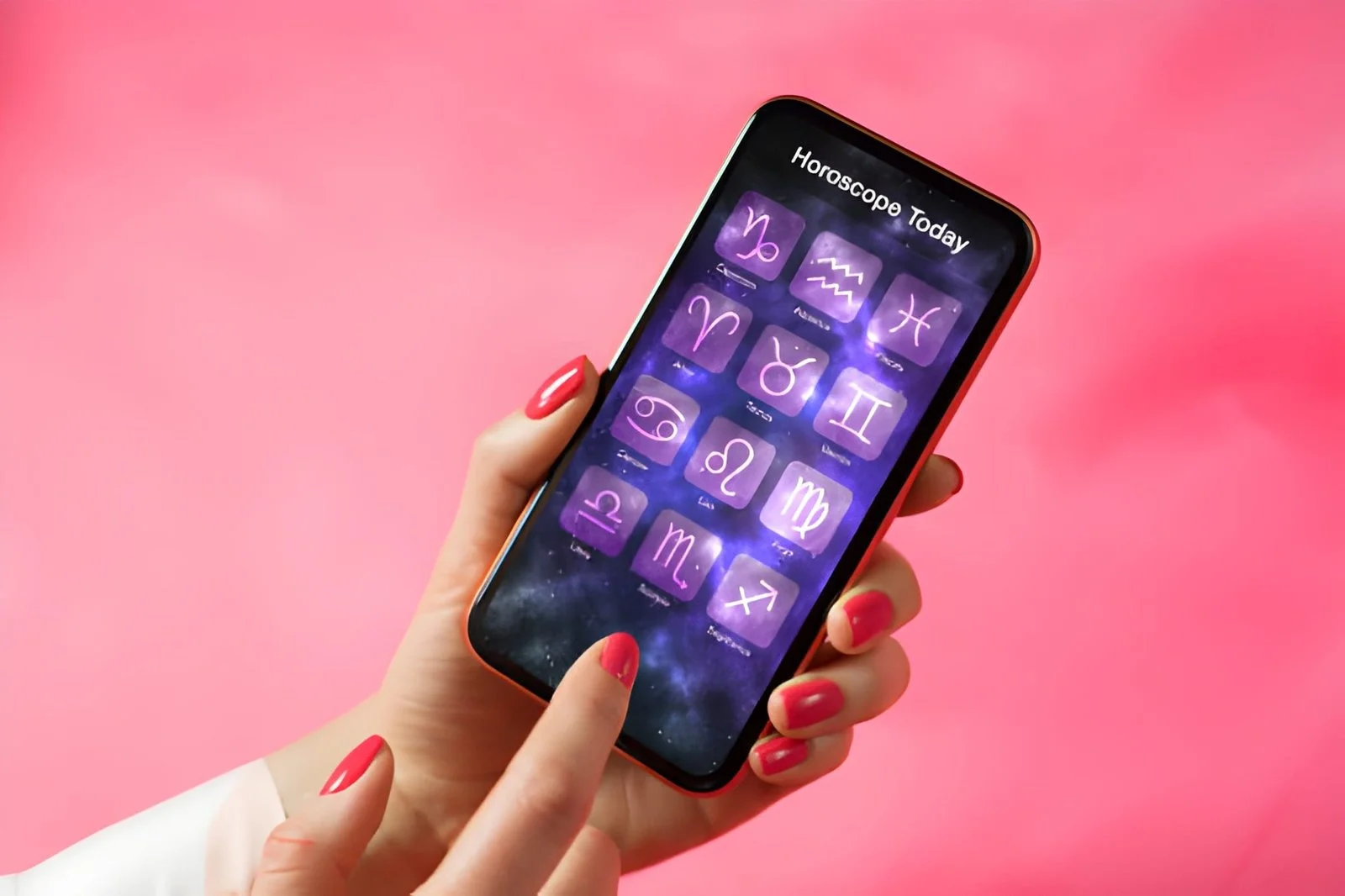
I’ll be honest — a few years ago I would’ve rolled my eyes at the idea of a phone notification telling me Mercury was messing with my week. But astrology apps have gotten weirdly good, and a lot of people now check their horoscope before they check their email. If you’ve ever downloaded three different apps, gotten three different sun-sign readings, and given up in confusion, this guide is for you.
There’s no shortage of options out there. Some lean hard into data and precision. Others feel more like a friend texting you at 8AM with exactly what you needed to hear. The trick is figuring out which style actually fits how you want to use astrology — daily comfort, deep self-study, or something in between.
What Actually Matters When You’re Comparing Apps
Before jumping into specific names, it’s worth asking a few questions about any app you’re considering:
Is the birth chart calculated properly, using real astronomical data (the Swiss Ephemeris is the standard most serious apps rely on), or is it just guessing based on your sun sign? Because those are two very different things, and a lot of “horoscope” apps skip the chart entirely.
Does it explain what it’s telling you, or just hand you a paragraph and move on? Some people love the mystery. Others want to actually learn what a Saturn transit means and why it matters.
And then there’s tone. Co-Star will tell you something blunt and slightly unsettling. CHANI will talk to you like a therapist who also reads charts. Neither is wrong — it just depends what kind of relationship you want with your phone.
A Rundown of the Apps Worth Your Time
Co-Star is probably the most recognised name in the space, and for good reason. It pulls real planetary data and turns it into short, sharp daily notifications — plus a social layer where you can compare charts with friends (this gets addictive fast). It’s a solid starting point if you want astrology that feels alive day to day, not just a static profile you check once and forget.
CHANI takes a completely different approach. Astrologer Chani Nicholas and her team write everything themselves rather than generating it automatically, so it reads less like a data dump and more like guidance. They’ve built weekly horoscopes, guided meditations, and journaling prompts for people who want astrology folded into a broader wellness routine, not just a quick daily glance.
Then there’s The Pattern, which skips the whole “daily horoscope” format altogether. Instead, it gives you longer reports on personality patterns and life cycles pulled from your birth data. A lot of users say it gets uncomfortably accurate, in the way a good tarot reading sometimes does — it’s less about predicting tomorrow and more about explaining why certain things in your life keep repeating.
If you actually want to learn astrology rather than just receive it, TimePassages is worth downloading. It breaks down your full natal chart. Planets, houses, aspects, the works — and explains the concepts in plain language instead of assuming you already speak the lingo. It has a steeper learning curve than the others, but that’s kind of the point.
For pure accuracy and zero cost, Astro.com is still the reference point most professional astrologers use themselves. The design looks like it hasn’t been touched since 2010, and honestly that’s part of its charm. It’s not trying to be pretty, it’s trying to be exact.
Last on the list is Sanctuary, which blends the daily-horoscope format with the option to book a live, text-based reading from an actual astrologer when you want a human take instead of an algorithm’s.
So Which One Should You Actually Download?
Honestly? Try more than one. Most of these have free tiers, and the differences in tone and depth are noticeable within a day or two of use. If you want something quick and habit-forming, start with Co-Star. If you’re chasing self-understanding over predictions, give The Pattern or CHANI a shot. And if you’re the type who wants to understand your chart down to the degree. Astro.com or TimePassages will get you there.
Your birth chart isn’t going to change no matter which app you pick. What changes is how much depth, ritual, or bluntness you want wrapped around it.
One Last Thing
None of these apps replaces your own instincts — they’re a starting point, not the final word. Use them to track what’s happening in the sky. But don’t be afraid to sit with a tarot spread or your own gut when the notification doesn’t quite land. That’s usually where the real answers show up anyway.
