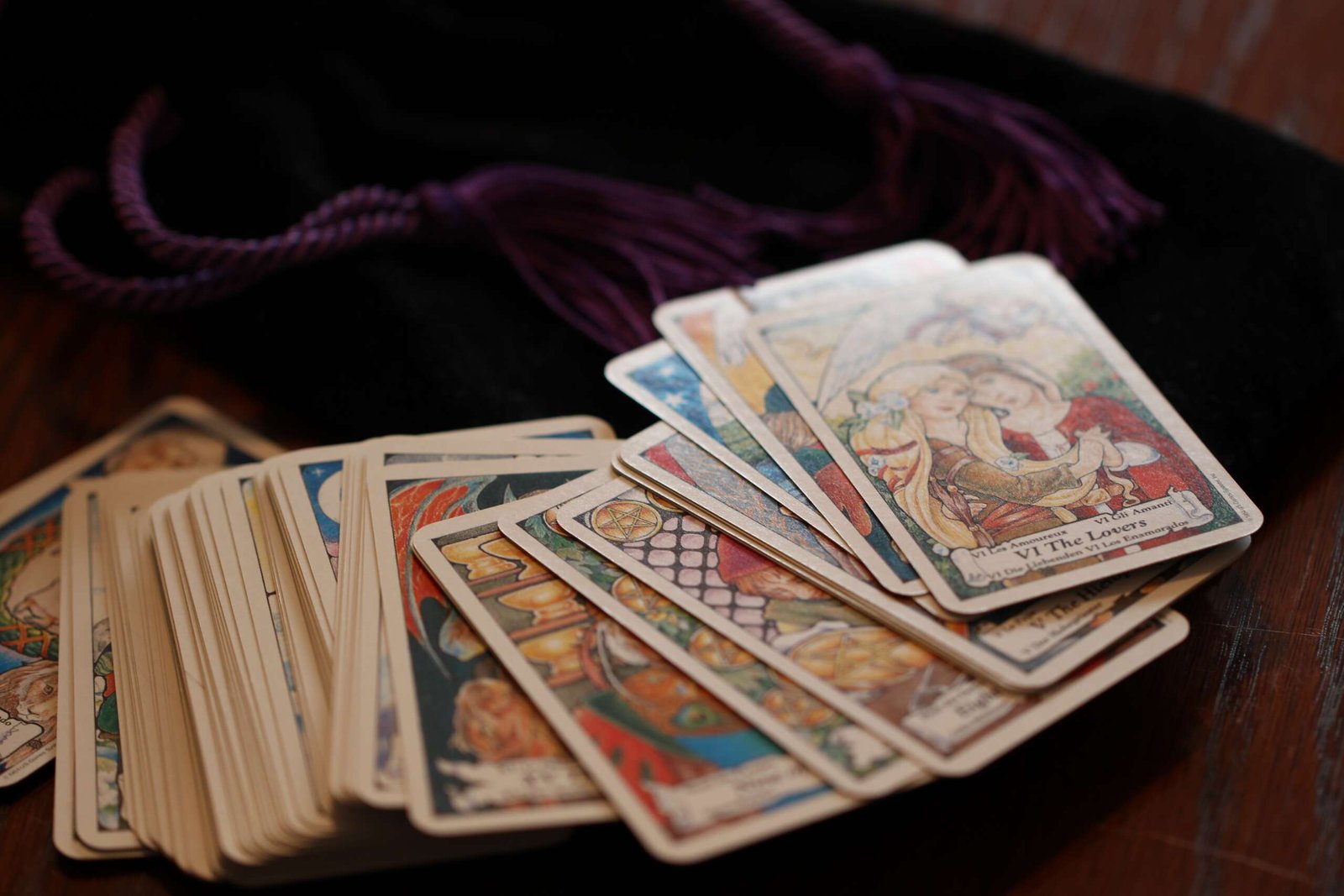
Tarot reading is more than just interpreting cards—it is a deeply personal and intuitive practice that connects you with your inner self. While learning card meanings is important, developing a consistent ritual and practicing reflection can significantly enhance the quality and accuracy of your readings. By creating a mindful routine and taking time to analyze your experiences, you can transform your tarot practice into a powerful tool for self-awareness and spiritual growth.
Another option is to try some tarot psychics and learn from them, to choose the right one, look at these reviews on reddit first: post 1, post 2, post 3.
The Power of Ritual in Tarot Practice
Ritual is an essential element in many spiritual practices, and tarot is no exception. Establishing a ritual before each reading helps you shift your mindset from everyday distractions to a focused and intuitive state. This transition is important because tarot relies heavily on clarity, intention, and awareness.
A tarot ritual doesn’t have to be complicated. It can be as simple as lighting a candle, taking a few deep breaths, or setting a clear intention for your reading. The goal is to create a consistent environment that signals to your mind that it’s time to tune in and connect.
For example, you might begin each session by shuffling your deck while focusing on your question. You could also cleanse your space using incense or simply by sitting quietly for a few moments. Over time, these repeated actions condition your mind to enter a calm, receptive state more easily.
Rituals also help build a sense of respect and connection with your tarot deck. When you treat your practice with intention, it becomes more meaningful and rewarding. This sense of sacredness can deepen your intuition and make your readings feel more aligned and insightful.
Creating a Personalized Tarot Ritual
One of the most powerful aspects of tarot is that it is highly personal. Your ritual should reflect your preferences and what makes you feel grounded and focused. Some people prefer a quiet, meditative approach, while others enjoy incorporating music, crystals, or journaling.
Start by identifying what helps you feel calm and present. This could include:
- Meditating for a few minutes before a reading
- Using a specific cloth or space for your cards
- Saying a short affirmation or prayer
- Keeping your deck in a special place
Consistency is key. The more regularly you follow your ritual, the more effective it becomes in preparing your mind for intuitive work.
If you’re looking for inspiration or guidance on developing your spiritual routine, you can explore resources like SpiritualGrowthEvents.com, which offers insights into various practices that can complement your tarot journey.
The Role of Reflection in Tarot Reading
While ritual prepares you for reading, reflection helps you grow from it. Many people pull cards and interpret them in the moment, but fail to revisit those readings later. This is a missed opportunity for learning and improvement.
Reflection allows you to evaluate how accurate your interpretations were and how the messages unfolded in real life. Over time, this process strengthens your intuition and helps you understand the deeper meanings of the cards.
A simple way to practice reflection is by keeping a tarot journal. After each reading, write down:
- The question you asked
- The cards you pulled
- Your initial interpretation
- Any feelings or impressions you experienced
- Later, revisit your notes to see how the situation developed. Did the reading resonate with what actually happened? Were there symbols or messages you overlooked? This practice helps you identify patterns and refine your understanding.
Building Intuition Through Reflection
Reflection is not just about accuracy—it’s about growth. Each reading provides valuable insights into your thought process and intuitive abilities. By analyzing your readings, you become more aware of how you interpret symbols and how your intuition communicates with you.
For example, you might notice that certain cards consistently represent specific themes in your life. Or you may discover that your first impression of a card is often more accurate than your detailed analysis. These insights can help you trust your intuition more and read with greater confidence.
Reflection also encourages patience. Tarot is not always about immediate answers; sometimes, the meaning of a reading becomes clear only after time has passed. By revisiting your readings, you allow yourself to see the bigger picture.
Combining Ritual and Reflection for Deeper Practice
When you combine ritual and reflection, you create a balanced and effective tarot practice. Ritual helps you enter the right mindset, while reflection ensures continuous improvement. Together, they form a cycle of preparation, action, and learning.
For instance, you might start your session with a calming ritual, perform your reading with focus and intention, and end by journaling your thoughts. Later, you revisit your notes to evaluate the outcome. This structured approach not only improves your readings but also makes your practice more meaningful.
Over time, this combination can lead to greater self-awareness. Tarot becomes more than just a tool for prediction—it becomes a mirror that reflects your inner world and helps you navigate life with clarity.
Final Thoughts
Improving your tarot practice doesn’t require complicated techniques or extensive knowledge. By incorporating simple rituals and committing to regular reflection, you can deepen your connection with the cards and enhance your intuitive abilities.
Consistency, mindfulness, and self-awareness are the keys to growth in tarot reading. Whether you are a beginner or an experienced reader, these practices can help you gain more accurate insights and develop a stronger spiritual connection.
Start small, stay consistent, and allow your tarot journey to evolve naturally. Over time, you’ll find that ritual and reflection not only improve your readings but also enrich your overall personal growth.
